
Ceiling fan buying guide
How to Choose the Right Ceiling Fan for Your Room
Size, airflow, height & features · Xpress Lighting of Texas
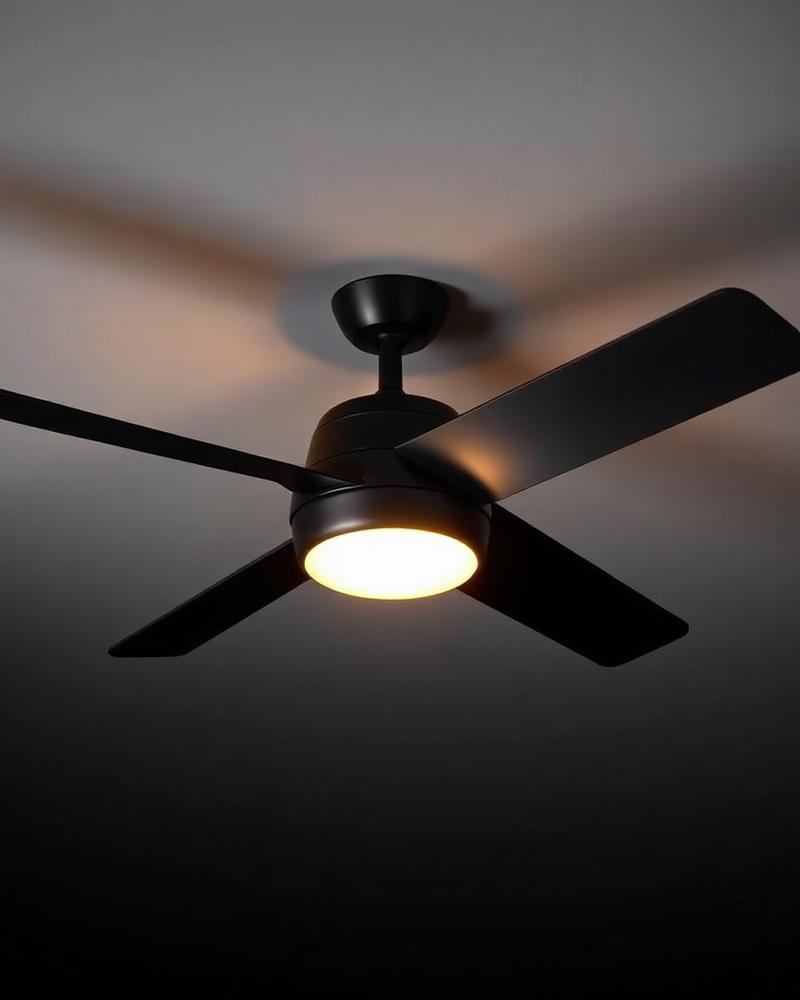
Choosing a ceiling fan can seem relatively simple until you begin comparing the options. Two fans may look very similar but perform very differently once installed. Room size, ceiling height, airflow, motor performance, lighting, controls and even where the fan will be installed can all affect whether a particular model is the right choice.
Appearance certainly matters. A ceiling fan is a significant visual element in a room, and homeowners naturally want one that complements their home. But choosing the right fan means balancing design with performance and selecting a fan that is properly suited to the space.
Understanding a few basic considerations before you start shopping can make that decision considerably easier.
Start With the Size of the Room
One of the first considerations when choosing a ceiling fan is the relationship between the size of the fan and the size of the room. A fan that is too small may look appropriate but struggle to circulate air effectively throughout the space. A fan that is too large can visually overpower a smaller room and may not provide the balanced look or comfort you expected.
Blade span, which is the diameter of the circle created by the rotating blades, is commonly used when comparing fan sizes. Smaller bedrooms and offices generally require a different blade span than family rooms, large bedrooms or open living areas. Large great rooms and covered outdoor living areas may require larger-format fans or, depending on the layout, more than one fan to distribute air effectively.
Room dimensions are a good starting point, but square footage shouldn't be the only consideration. The shape of the room, ceiling height, furniture placement and where people spend their time can all influence the best choice.
This is particularly important in today's open-concept homes. A large kitchen and living area may technically be one room, but the way the space is used can make airflow requirements considerably different from those of a traditional enclosed room with similar square footage.
Fan Diameter Isn't the Same Thing as Airflow
A common misconception is that a larger ceiling fan automatically produces more airflow. Blade span is certainly important, but size alone doesn't determine how much air a fan can move.
Blade design, blade pitch, motor performance and operating speed all contribute to a fan's actual performance. This is why two fans with similar dimensions can feel very different when they're operating.
One specification worth understanding is CFM, or cubic feet per minute. CFM is a measurement of the volume of air a fan can move. Generally, a higher CFM rating indicates greater airflow, but that doesn't necessarily mean the fan with the highest CFM is automatically the best choice for every room.
The objective is to match the fan's performance to the space. A bedroom may prioritize quiet operation and comfortable airflow, while a large living room or covered patio may benefit from considerably greater air movement.
CFM is therefore useful when comparing fans, but it should be considered alongside room size, fan placement, ceiling height, noise, efficiency and how the space will actually be used.
This is also one of the limitations of selecting a ceiling fan entirely from photographs and specifications online. Technical information can tell you how a fan performed under testing conditions, but it cannot show you exactly how that airflow will feel when you're standing beneath or around the fan.
Ceiling Height and Mounting Make a Difference
Ceiling height affects both the appearance and performance of a ceiling fan. The goal is not simply to attach the fan to the ceiling; it is to position it appropriately within the room so it can circulate air effectively while maintaining proper clearance.
Rooms with lower ceilings often require low-profile or flush-mount designs that keep the fan closer to the ceiling. Rooms with standard-height ceilings typically allow more conventional mounting configurations.
High or vaulted ceilings create a different challenge. Installing a fan too close to a very high ceiling can leave it farther from the occupied area of the room than is ideal for effective airflow. In these situations, an appropriately sized downrod can lower the fan into a better operating position while also helping the fan look more proportional to the room.
Sloped ceilings may require additional mounting considerations as well. Before purchasing a fan for a high, vaulted or unusually shaped ceiling, it is helpful to know the ceiling height and, when applicable, the approximate slope.
Those measurements can make the difference between choosing a fan that simply fits the ceiling and choosing one that actually works well in the room.
Indoor and Outdoor Ceiling Fans Are Not the Same
Where the fan will be installed is another important consideration. An indoor ceiling fan and an outdoor ceiling fan may have a similar appearance, but they aren't necessarily constructed for the same environment.
Fans designed for dry indoor locations are intended for spaces such as bedrooms, living rooms and offices where exposure to moisture is not expected. Outdoor spaces require additional consideration because humidity, condensation and direct exposure to weather can affect the fan and its components.
This is particularly relevant around Houston, where outdoor living areas routinely experience high humidity, heat and moisture.
A damp-rated fan is generally designed for covered locations where the fan may encounter humidity and moisture but is protected from direct rain or water exposure. Wet-rated fans are designed for locations where more direct exposure to the elements may occur.
Covered patios, porches and outdoor kitchens can have very different exposure conditions, so the appropriate rating depends on where the fan will actually be installed.
Selecting the proper fan isn't simply a matter of protecting the finish. The fan's electrical components, materials and construction must also be appropriate for the environment in which it will operate.
Should Your Ceiling Fan Include a Light?
Many ceiling fans are available with integrated lighting, but that doesn't mean every room needs a fan with a light.
The better question is how the room is already illuminated and what role the ceiling fan needs to play within the overall lighting plan. A bedroom with limited overhead lighting may benefit considerably from an integrated light. A living room with recessed lighting, lamps and decorative fixtures may not need additional illumination from the fan at all.
When an integrated light is desirable, consider more than the appearance of the fixture. Light output, color temperature, dimming capability and how the light interacts with other fixtures in the room can all affect the finished result.
Color temperature is particularly noticeable in a room containing multiple light sources. A ceiling fan producing noticeably cooler or warmer light than the surrounding recessed or decorative fixtures can make an otherwise coordinated room feel inconsistent.
Ideally, the ceiling fan and the room's lighting should work together as part of the same design rather than forcing one fixture to accomplish every task.
Coordinating a fan with the rest of the room? See our guide to residential lighting.
Smart Fans, Remotes and Controls
Ceiling fan controls have evolved considerably from the traditional wall switch and pull chain. Depending on the model, today's fans may offer handheld remotes, wall controls, multiple speed settings, integrated lighting controls, scheduling and smart-home capabilities.
Smart fans can be particularly convenient in bedrooms, large living spaces and outdoor areas. Depending on the fan and compatible technology, homeowners may be able to adjust fan speed, lighting or schedules from a phone or integrate the fan with other smart-home systems.
The number of available features, however, shouldn't determine which fan you purchase. Consider how you normally use the room and which controls will genuinely make the fan more convenient.
For some homeowners, smart-home integration may be an important part of the decision. For others, a reliable wall control or remote may provide everything they need.
The best control system is usually the one that fits naturally into the way you already use the room.
Motor Performance and Noise Matter
Noise is easy to overlook when comparing ceiling fans because it isn't something a photograph or product description communicates particularly well.
It becomes much more important after installation.
A fan installed over a bed, desk or quiet sitting area may operate for hours at a time. Motor quality, fan construction, balance and proper installation can all influence vibration and operating noise.
A fan that produces a small amount of noticeable sound in a busy living area may be much more distracting in a quiet bedroom at night.
This is another reason performance should be considered alongside appearance. The fan needs to look right in the room, but it also needs to provide the airflow and operating characteristics appropriate for how that room is used.
Style and Finish Should Complement the Room
Performance is important, but a ceiling fan is also one of the larger visual elements in many rooms. Modern ceiling fans are available in a much broader range of styles, finishes and configurations than the traditional designs many homeowners may remember.
Contemporary and minimalist fans can complement modern interiors, while traditional designs may be better suited to classic architecture and furnishings. Large-format fans can become an intentional design element in great rooms and outdoor spaces, while other fans are designed to visually blend into the ceiling and surrounding décor.
Finish also matters. Black, white, brushed metals, wood tones and mixed-material designs can dramatically change the way a fan relates to the rest of the room.
Rather than choosing the fan as an isolated product, consider the other finishes already present in the space. Cabinet hardware, door hardware, plumbing fixtures, lighting fixtures, furniture, flooring and architectural details can all help guide the selection.
The goal doesn't necessarily have to be a perfect match. A complementary finish can often create a more interesting room than attempting to make every fixture identical.
Bring Your Room With You
You don't need to know exactly which ceiling fan you want before visiting a lighting showroom. In many cases, arriving with information about the room is more useful than arriving with a specific model already selected.
Photos of the room can help show its style, proportions and existing finishes. Room dimensions and ceiling height help determine appropriate fan sizes and mounting options. Photos of existing lighting, furniture and hardware can provide additional context when comparing finishes and designs.
If you're building or remodeling, architectural drawings, floor plans and inspiration photos can also be extremely helpful.
Most importantly, think about what you want from the fan. Are you primarily trying to improve airflow? Is the fan going into a bedroom where quiet operation matters? Are you trying to cool a covered patio? Do you need additional lighting? Do you want smart-home controls?
Those details allow a lighting professional to narrow hundreds of possible fans into a much smaller group of options appropriate for the actual space.
Visit the showroom
See It. Feel It.
Online shopping makes it easy to compare hundreds of ceiling fans quickly. You can see dimensions, read specifications, compare finishes and review features without ever leaving home.
But a ceiling fan is also a product you experience.
The scale of the fan can look different when you see it in person. Finishes can change under different lighting. Motor noise may matter in a bedroom. Integrated lighting can look warmer, cooler, brighter or softer than expected. Most importantly, airflow is something that is much easier to understand when you can actually feel it.
That is where visiting a lighting showroom can add value to the buying process.
At Xpress Lighting of Texas, homeowners, contractors and designers can compare ceiling fans, lighting and controls in person while working with lighting professionals who can help match the product to the room.
Bring photos, measurements, plans or inspiration for your project. The more we understand about the space, the easier it becomes to narrow the choices and find a fan that fits both the room and the way you intend to use it.
See It. Feel It.
Because choosing the right ceiling fan isn't only about finding one that looks good.
It's about finding the fan that looks right, performs properly and feels right in your space.
See it. Feel it. Find your perfect fan today.
25211 Borough Park Dr, The Woodlands, TX 77380 · (281) 298-5309 · Mon–Fri 8:30–5:30, Sat 10–4